

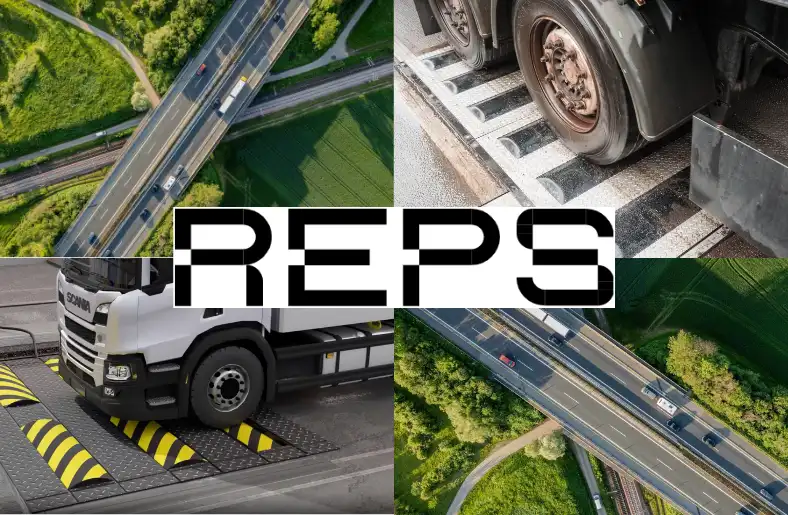
Austria-based REPS Energy is turning road traffic into electricity
Roads That Generate Power? Inside REPS Energy’s Big Bet on Traffic
REPS GmbH is developing a different approach to renewable energy generation by treating road infrastructure itself as an untapped energy source. Founded in 2023 by Alfons Huber, the Austrian startup has built what it calls a Road Energy Production System, or REPS, designed to capture kinetic energy generated by vehicles moving through high-traffic environments. Instead of relying on new land-intensive renewable infrastructure, the company focuses on existing sealed surfaces such as ports, logistics hubs, industrial facilities, and urban road systems where heavy vehicle movement already occurs continuously.
The company’s broader thesis is that transportation systems waste enormous amounts of recoverable energy every day, particularly during braking and deceleration events. REPS positions its infrastructure as a way to convert this otherwise lost mechanical energy into usable electricity without changing driver behavior or requiring additional land use. This makes the company part of a growing category of climate infrastructure startups attempting to extract energy value from existing industrial systems rather than building entirely new energy-generation environments from scratch.

How REPS Turns Braking Vehicles Into Clean Electricity?
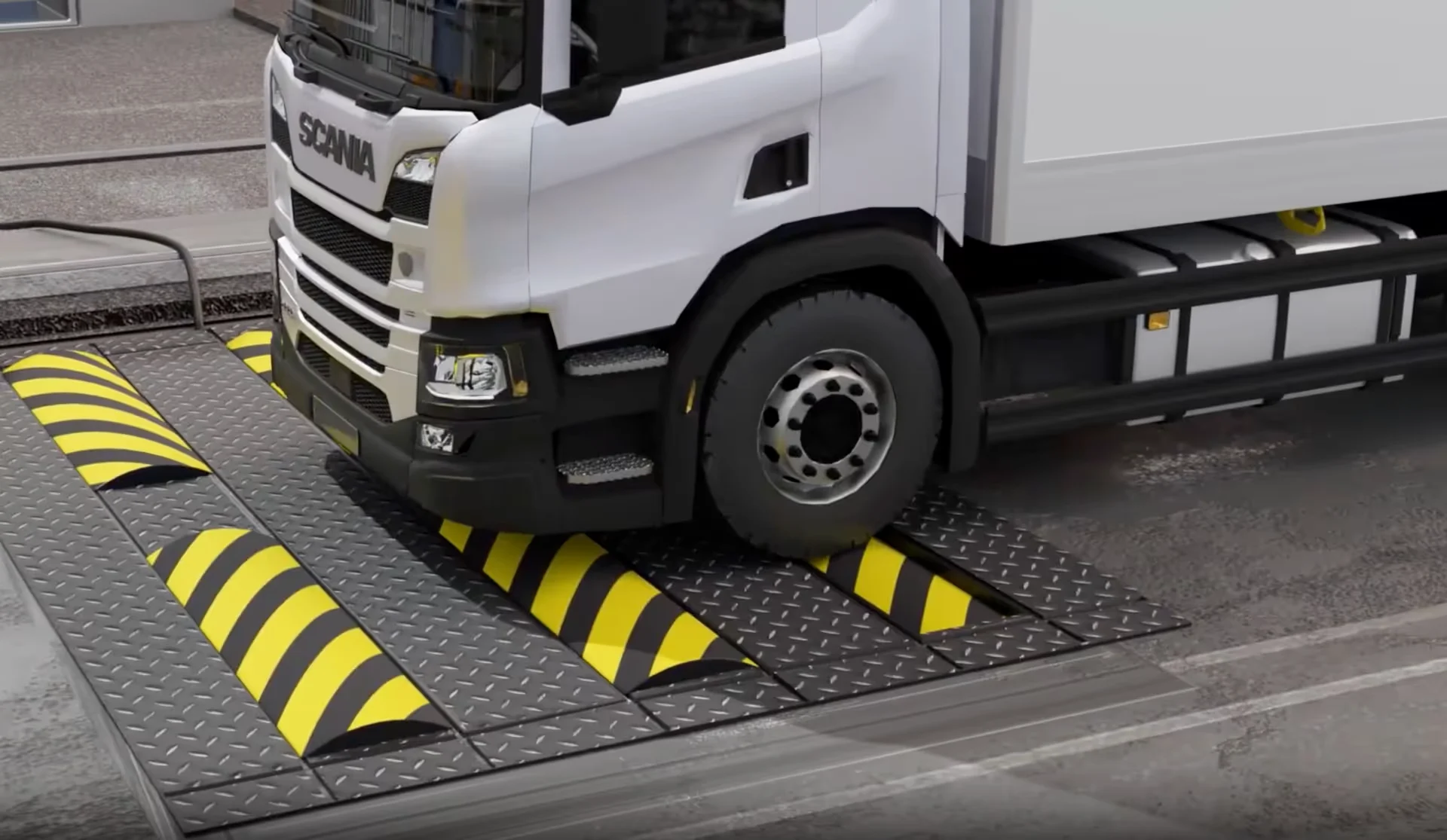
REPS installs modular energy-harvesting systems directly into existing road infrastructure where vehicles frequently slow down, brake, or stop. As vehicles pass over the system, the platform captures kinetic energy that would otherwise dissipate through friction and braking processes. That energy is then converted into electricity that can either be consumed locally or fed back into broader energy infrastructure. The company’s focus on braking zones is strategically important because these areas generate concentrated kinetic energy loads repeatedly throughout the day. Ports, freight terminals, industrial facilities, tolling environments, and urban traffic systems all create predictable high-frequency braking patterns that make energy capture more economically viable.
Unlike solar or wind infrastructure, REPS’s systems are not dependent on weather conditions or geographic exposure. Instead, their output scales with traffic volume and transportation activity. This creates a different renewable infrastructure model where transportation itself becomes an operational energy source. The company also emphasizes retrofitting existing infrastructure rather than replacing roads entirely. This reduces deployment complexity while positioning the technology as an additive infrastructure layer capable of integrating into already operational transportation systems.
From the Port of Hamburg to Global Infrastructure Ambitions
One of REPS’s most visible deployments has involved the Port of Hamburg, where heavy logistics traffic creates ideal conditions for kinetic energy harvesting. Ports and freight environments are particularly attractive for the company because they combine large vehicle volumes with repetitive braking cycles and high on-site energy demand simultaneously. This operational model reflects a broader infrastructure strategy focused initially on industrial and logistics environments before wider urban deployment. Heavy transport corridors produce more concentrated and predictable kinetic energy generation than conventional passenger road systems, making them more practical early adoption markets.
REPS’s ambitions extend beyond isolated pilot projects. The company positions its technology as scalable infrastructure capable of supporting decarbonization efforts across logistics, industrial transport, and urban mobility ecosystems globally. Its broader narrative aligns with growing pressure on infrastructure operators to improve energy efficiency and reduce emissions without requiring entirely new land development. The startup’s emphasis on using already sealed infrastructure surfaces is also strategically relevant in Europe, where land-use constraints increasingly affect renewable energy deployment planning. By integrating energy production into transportation systems themselves, REPS is effectively attempting to turn mobility infrastructure into distributed clean-energy infrastructure simultaneously.
REPS Lands $23.6M to Scale Its Road Power Plant Technology
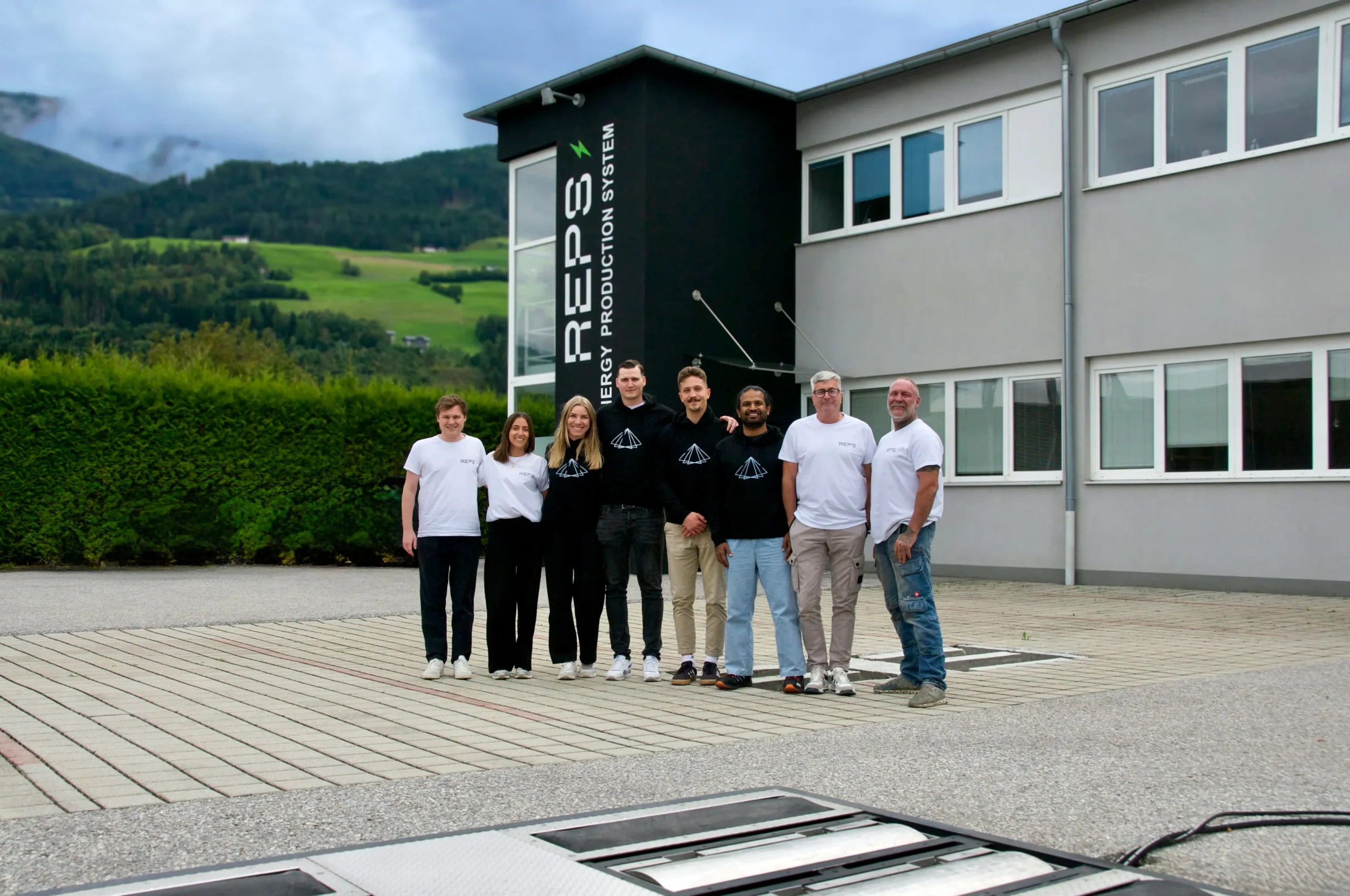
REPS recently raised $23.6 million to expand deployment of its road-based energy generation systems and accelerate infrastructure scaling efforts. The investment reflects increasing interest in alternative clean-energy technologies capable of operating outside conventional solar, wind, and battery infrastructure categories. Investor interest in the company also highlights growing momentum around infrastructure efficiency technologies rather than purely energy generation capacity expansion alone. Governments and industrial operators increasingly face pressure to extract more operational value from existing infrastructure while reducing emissions and energy waste.
The funding will likely support manufacturing expansion, deployment partnerships, and broader commercial implementation across logistics and urban infrastructure markets. More importantly, it positions REPS within a larger climate-tech movement focused on decentralized energy generation integrated directly into transportation and industrial systems. The challenge moving forward will involve demonstrating long-term durability, maintenance economics, and scalable deployment efficiency across real-world transportation environments where infrastructure reliability remains critical.

Can Energy-Harvesting Roads Become the Next Clean Energy Frontier?
REPS represents a broader shift in how renewable infrastructure is being conceptualized. Earlier generations of clean-energy systems focused primarily on dedicated production assets such as solar farms and wind installations. Increasingly, however, climate infrastructure startups are exploring ways to embed energy generation directly into operational systems already used daily. Roads, logistics corridors, and industrial transport environments generate enormous mechanical energy flows that historically served no productive function beyond transportation itself. Technologies like REPS attempt to transform these systems into hybrid infrastructure layers capable of supporting both mobility and electricity generation simultaneously.
At the same time, road-based energy systems remain an emerging category with important technical and economic questions still unresolved. Long-term performance under heavy traffic conditions, maintenance requirements, infrastructure integration costs, and scalability across diverse environments will ultimately determine whether these systems can compete meaningfully within broader clean-energy markets. REPS is positioning itself early inside this category by focusing on high-traffic industrial environments where operational economics may prove strongest initially. Its long-term relevance will depend on whether transportation infrastructure itself increasingly becomes viewed not only as a mobility network, but as a distributed energy platform.
REPS is exploring a genuinely unconventional clean-energy category by treating transportation infrastructure as a recoverable energy source. The company’s success will depend on whether road-based kinetic energy systems can achieve the durability and economic efficiency needed to operate at infrastructure scale over long deployment cycles.