


Feyenally: The Startup Bringing AI Eye Exams to Smartphones
The Global Eye Care Gap That AI Could Help Close
Vision impairment remains one of the world’s most widespread yet treatable health challenges. According to global health estimates, more than one billion people live with preventable or untreated vision problems because they cannot access timely eye care. In many regions, shortages of optometrists and ophthalmologists, combined with the cost of specialized diagnostic equipment and the need to travel to clinics, make routine eye examinations difficult or impossible. As a result, conditions that could be corrected with prescription lenses or identified through early screening often remain untreated, affecting education, employment, productivity, and overall quality of life.
Smartphones, however, have become nearly ubiquitous, even in many underserved communities. This has created an opportunity to rethink how vision screening is delivered by moving parts of the diagnostic process from clinics to mobile devices. Slovak health technology startup Feyenally is developing an AI-powered solution built around this idea.
How Feyenally Uses AI to Turn a Smartphone Into an Eye Testing Device?
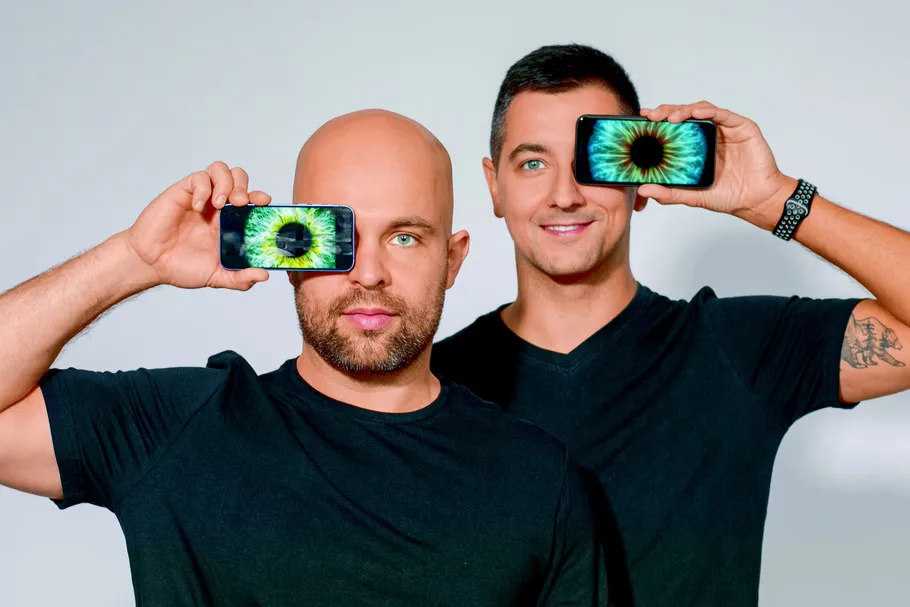
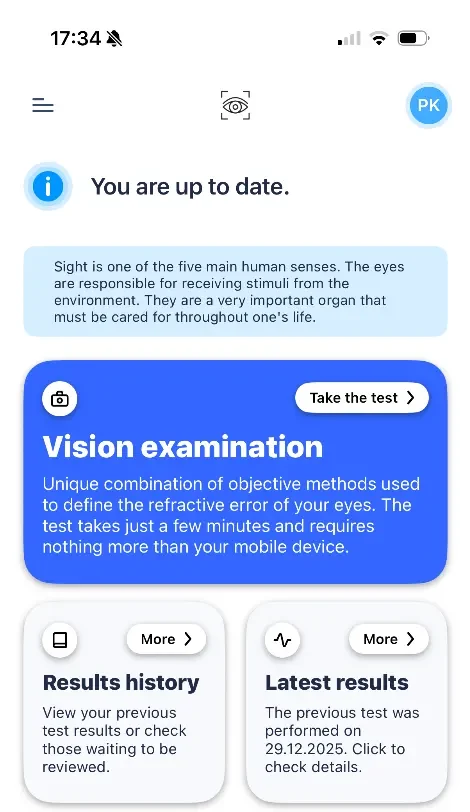
Feyenally has developed a mobile application that enables users to perform objective vision assessments using only a smartphone. Instead of relying on traditional eye exams that require patients to compare letters or indicate which lens appears clearer, the platform analyzes photographs of the user’s eyes through artificial intelligence and neural networks. By examining visual data directly, the system aims to estimate vision characteristics without depending entirely on subjective patient responses.
The company’s hardware-free approach eliminates the need for dedicated diagnostic devices, making vision screening significantly more accessible for people who may never visit an eye clinic. Because the assessment can be completed through a smartphone, users can receive preliminary results within minutes, creating opportunities for earlier detection of vision problems and more informed decisions about seeking professional eye care. Rather than replacing clinical examinations, Feyenally’s technology is designed to provide an accessible first step that lowers barriers to vision screening while extending the reach of digital healthcare.
Can AI Democratize Eye Care Around the World?
Artificial intelligence is increasingly transforming healthcare by making diagnostic tools more accessible outside traditional clinical environments. Eye care is particularly well suited to this transition because many assessments depend on visual information that can be captured using modern smartphone cameras. AI-powered vision screening has the potential to support telemedicine, school health programs, workplace wellness initiatives, and community healthcare projects by identifying individuals who may require comprehensive examinations before symptoms become more severe.
At the same time, technologies like Feyenally should be viewed as complementary to eye care professionals rather than replacements. Comprehensive diagnosis, treatment planning, prescription verification, and management of complex eye diseases continue to require trained clinicians and specialized medical equipment. The greatest value of AI lies in expanding access to early screening, especially in regions where professional eye care remains limited.
As smartphones become increasingly capable and artificial intelligence continues advancing, mobile diagnostic applications may play an important role in reducing preventable vision impairment worldwide. By combining computer vision, neural networks, and accessible mobile technology, Feyenally represents a growing movement toward healthcare that is not only smarter but also significantly more accessible.
AI has the potential to make healthcare more accessible by bringing basic diagnostic capabilities closer to patients. Feyenally illustrates how smartphones and computer vision can help address one of the world’s largest unmet healthcare needs: accessible eye screening. While AI cannot replace comprehensive eye examinations, it can become a valuable front line for early detection, enabling millions of people to seek timely treatment before vision problems worsen.